
Follow the Jobs: How October 2026 Employer News Is Reshaping Housing in Charlotte, St. Louis & Naples
In real estate, jobs are the tide that lifts every boat. When an employer commits to a metro, the people follow, and the people who follow need places to live. October 2026 has brought a wave of headline-worthy announcements across all three of my markets: the WTA planted its headquarters in Charlotte, St. Louis signed off on a historic investment plan while a data center mega-project advanced, and Naples quietly became one of the fastest-growing tech hubs in the South. Here is what each announcement actually means for buyers, sellers, and relocators, and the numbers that tell the real story.
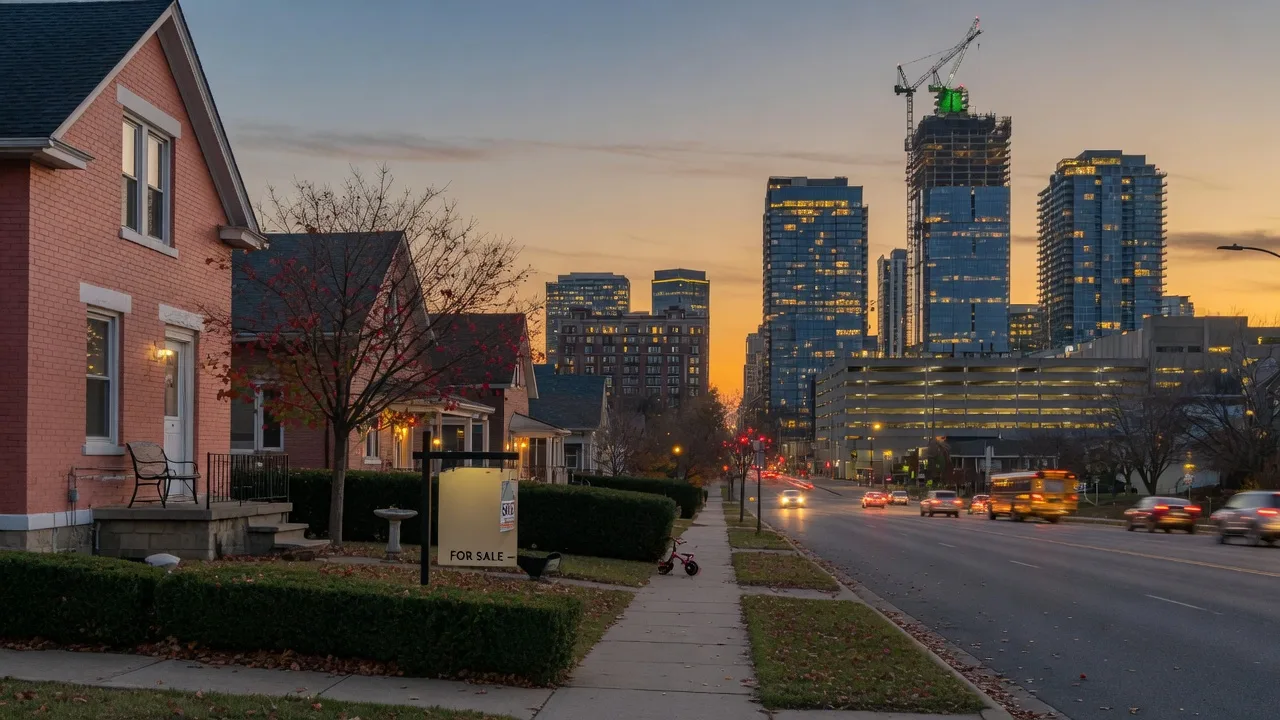
I have said it a hundred times to clients over twenty years: you can read every housing statistic you want, but the single most reliable leading indicator in this business is employment. Companies do not announce a headquarters expansion lightly. Every new headquarters, every leased tower, every data center is a bet that a metro will deliver for them for decades, and that bet becomes housing demand, usually faster than anyone expects.
October 2026 has been an unusually loud month for exactly those announcements, and each one lands differently in my three markets. Charlotte keeps stacking corporate wins on top of each other. St. Louis is turning decades-old civic wounds into a plan to reinvest in its own future. And Naples, the market everyone thinks of as pure retirement, is quietly building a tech economy most people have not heard about yet. Let me walk you through the news, the market data behind it, and what it means for your particular move.
01. The Rate Backdrop: What Buyers Are Working With Right Now
Before we get to the jobs, let me set the table with the number that is on every buyer's mind. Rates climbed again in early October. Freddie Mac's Primary Mortgage Market Survey put the 30-year fixed at 7.28 percent for the week ending October 1, then 7.40 percent the week ending October 8, the seventh consecutive weekly increase and the highest reading in a year, up from 6.34 percent twelve months earlier. Bankrate's national lender survey has pushed past 7.5 percent.
Here is the honest read, and I have been consistent about it all year: rates are the ceiling on how far prices can run, and inventory is the floor under buyer leverage. Higher rates cool demand, which is exactly what we are seeing in Charlotte, where August home sales fell about 8.7 percent year over year. But here is the part the headlines miss: rates do not stop qualified buyers who are moving for a reason, and the people arriving in these metros right now are overwhelmingly moving for a reason. A new job, a promotion, a career move, a retirement locked in. That is precisely the buyer pool a prepared seller wants, and precisely the competition a smart buyer can navigate.
On a $350,000 mortgage, each percentage point of rate costs or saves roughly $220 to $230 a month in principal and interest over a 30-year term. That math is why seller concessions and rate buydowns have become the story of 2026: on the same sales price, a buyer who shaves half a point has more purchasing power than one who argues over a slightly better price. Keep that in mind as we go market by market, because it changes how every deal gets made.
02. Charlotte: The Corporate-Relocation Machine Keeps Stacking Wins
Charlotte has spent the last eighteen months proving it is not just a banking town anymore. The city has now landed five corporate headquarters or major hubs in 2026 alone. The newest headline: the Women's Tennis Association chose Charlotte for its corporate headquarters, with the WTA Finals playing at the Spectrum Center starting in 2027, backed by the city, Mecklenburg County, the Charlotte Regional Business Alliance, and the visitors authority.
That announcement landed days after Daimler Truck Financial Services opened a $7.8 million North American headquarters in Ballantyne on September 29, a roughly 60,000-square-foot space bringing about 300 jobs to south Charlotte. Earlier in the year, JPMorganChase leased a corporate office at One Piedmont Town Center in SouthPark for more than 1,000 employees, and Capital Group raised its Charlotte commitment to as many as 1,000 workers in Uptown's One Independence Center. This is not a season of announcements; it is a compounding pattern.
What the Data Says About Charlotte Right Now
The market data reflects that momentum. City-level medians are running around $420,000, down slightly from a year ago as inventory builds, while the broader metro figure sits closer to $430,000. Supply has climbed to roughly 4.3 to 4.6 months, the most balanced reading Charlotte has posted in years, with active inventory up around 7 to 10 percent year over year. Days on market for the city average around 58, up from about 52 a year ago, and some well-priced in-town neighborhoods still go pending in one to four weeks.
Translation: Charlotte buyers finally have choices and negotiating room, and sellers who price honestly are still selling. The buyers arriving with corporate relocations are pre-approved, on a timeline, and serious. Ballantyne, SouthPark, and Uptown are the immediate gravity wells for the new jobs, which ripples into nearby neighborhoods like Cotswold, Dilworth, and the southern suburbs as buyers stretch for value.
October 2026 Charlotte Snapshot
Median: ~$420K city / ~$430K metro
Supply: ~4.3-4.6 months, most balance in years
Days on Market: ~58 city average
Mood: Balanced, concessions common
Best Play: Negotiate rate buydowns and closing costs
WTA HQ: Charlotte's 5th corporate HQ of 2026, Finals at Spectrum Center 2027
Daimler Truck: $7.8M Ballantyne HQ, ~300 jobs
JPMorganChase: 1,000+ employees at SouthPark
Capital Group: Up to 1,000 workers Uptown
October Moves for Charlotte Buyers
If you are buying in Charlotte, the balanced market is your friend, but only if you are ready to act. Get a fully underwritten pre-approval before you tour, because the corporate-relocation buyers arriving are pre-approved and move fast on the right home. Then look where the new supply is concentrated: townhomes and new construction in Steele Creek, the River District, and the northern suburbs of Huntersville, Cornelius, and Davidson offer the most negotiating room. In close-in neighborhoods like South End, Dilworth, and Plaza Midwood, be ready to move quickly when the right home appears, because those stay tight.
Use the rate environment to your advantage. I am routinely securing 2 to 3 percent in seller concessions toward closing costs or a rate buydown on homes that have been listed 30 to 60 days. In a payment-driven market, that half-point buydown can be worth more than a slightly lower price.
October Moves for Charlotte Sellers
Sellers, the single biggest risk this month is anchoring to last year's numbers. The homes selling in under 30 days are priced within 2 percent of recent closed comparables; the homes sitting are priced 5 percent or more above market from the summer, now accumulating reductions and a stale-listing reputation. Price right on day one, present it beautifully, and offer a buyer incentive. A seller-paid rate buydown or closing-cost credit costs less than a price cut and wins the payment-conscious buyer. The buyer pool is deep here, roughly 157 new people arrive daily, but they have agents pulling comps and reading days on market.
- Buyers: Get pre-approved first, then target homes listed 30-60 days and ask for concessions or a rate buydown.
- Buyers: Look where supply is growing: Steele Creek, the River District, and the northern suburbs.
- Sellers: Price within 2% of recent closed comps from day one, and offer a buyer incentive.
- Sellers: Expect corporate-relocation buyers to be pre-approved, quick, and serious. Dress the home accordingly.
03. St. Louis: Reinvestment, Data Centers, and the Value Story That Persists
St. Louis's story this month is quieter than Charlotte's, but it is arguably more meaningful. In July, Mayor Cara Spencer signed Board Bill 22, launching the investment of the remaining roughly $255 million of Rams settlement funds: $55 million earmarked for downtown and $15 million for the riverfront, with the rest to be deployed over time. After a decade of civic debate, the money that came out of the city is finally, formally being invested back into it.
The big private-sector headline is the Armory project. What started as a roughly $600 million data center plus office development has grown into a more than $3 billion economic development project, with a $15.75 million community benefits fund, and it continued advancing through the fall. Data centers are the quiet engine of modern economic development, and a project of this scale sends a signal about the region's power grid, land, and workforce that other employers notice.
And the employment pipeline keeps filling. The International Institute's Move2STL program, launched in February, is actively connecting out-of-state candidates with the region's roughly 65,000 open jobs, with hundreds of people already moving through its pipeline. Boeing's Defense, Space & Security headquarters return anchors an aerospace corridor that keeps hiring. For relocators, the practical takeaway is simple: St. Louis has jobs, it is investing in itself, and it remains the affordability champion of my three markets.
What the Data Says About St. Louis Right Now
The St. Louis REALTORS monthly report puts the residential median around $340,000, up roughly 6.6 to 7.3 percent year over year, with St. Louis City homes selling nearer $265,000 and the metro median around $310,000 depending on the source. Supply has climbed to roughly 2.6 months, up about 18 percent from 2.2 months a year ago, and days on market have stretched to about 50 in the metro, up roughly 9 percent, while the City of St. Louis itself still sells in about three weeks. Active inventory is up roughly 13 to 15 percent year over year.
Translation: St. Louis remains a value market in transition. Prices are still climbing, but inventory and timelines are catching up, and for the first time in years buyers have genuine negotiating room in the city and the inner ring. The suburbs that never really cooled, like Chesterfield, Wildwood, and Clayton, still move quickly when priced right, because that is where the aerospace, biosciences, and financial-services payrolls live.
October 2026 St. Louis Snapshot
Median: ~$340K residential, city nearer $265K
Supply: ~2.6 months, up ~18% YoY
Days on Market: ~50 metro / ~21 city
Mood: Shifting toward balance
Best Play: Negotiate price and terms in the city
Rams funds: ~$255M invested, $55M downtown, $15M riverfront
Armory: Data center project grown to $3B+
Move2STL: Connecting candidates to ~65,000 open jobs
Boeing: Defense HQ return anchors aerospace corridor
October Moves for St. Louis Buyers
St. Louis buyers, this is your moment to be selective. The city's neighborhoods, Tower Grove South, The Grove, Midtown, and the central corridor, offer affordability that is almost impossible to find in Charlotte or Naples, and with inventory up, you can afford to compare carefully. West county suburbs like Chesterfield and Wildwood are seeing the most new listings and the most realistic pricing. And do not leave money on the table: Missouri's Mortgage Credit Certificate can save qualifying buyers up to roughly $2,000 a year on federal taxes, and MHDC offers down payment assistance of 3 to 4 percent. Ask your lender about both before you shop.
October Moves for St. Louis Sellers
St. Louis sellers, the stampede is over, and that is a good thing for anyone who prices honestly. Days on market have lengthened and buyers have options, so the homes that sell quickly are priced to today's comps, presented beautifully, and often sweetened with a seller concession or a rate buydown contribution. I have watched well-meaning sellers hold to spring comps while a competitively priced neighbor sells in two weeks. Price it right, fix what an inspection would flag, stage it, and the demand for well-priced family homes in good school districts is still very real.
- Buyers: Shop the city and inner ring for value, and negotiate. Inventory is up and sellers are ready to talk.
- Buyers: Ask about the MCC tax credit and MHDC down payment assistance before you shop.
- Sellers: Price to today's closed comps, not last spring's, and address inspection items before listing.
- Sellers: Note the reinvestment story: downtown and riverfront dollars are coming. Buyers read that as a long-term bet on the city.
04. Naples: The City With a Tech Story Nobody Sees Coming
Naples is the market everyone assumes is pure retirement, and the assumption is half true. But there is another Naples emerging. The Naples-Marco Island metro ranked among the fastest-growing tech hubs in the South, 17th nationally, with tech establishment growth of 47.1 percent since 2019, and local business leaders point to Florida's pro-business climate for a rising wave of startup growth. Southwest Florida's airport, RSW in Fort Myers, is in the middle of a more than $1 billion expansion that will keep the region connected as those businesses scale.
What does a tech story mean for housing? It means younger buyers, higher incomes, and year-round demand that does not vanish when the snowbirds fly home. It is one more reason the 2026 correction in Naples has been shallower and faster than many expected, and why the market has pivoted from a deep buyer's market back toward balance far sooner than the doomsayers predicted.
What the Data Says About Naples Right Now
The latest Naples Area Board of REALTORS data (August 2026, released September 25) is striking. The median closed price sits at $575,000, down just 1.7 percent year over year, with single-family homes at $717,500 and condos at $422,500, actually up 3.9 percent for the year. Months of supply has dropped to 5.4, down a third from 8.1 a year ago, right on the balanced line. Active inventory has fallen about 21 percent year over year to roughly 4,160 homes, average days on market sit around 99, and sellers are receiving 94.8 percent of list price. Closed sales are up 2 percent and pending sales up 3 percent.
Translation: the correction is over in the way it matters most, seller confidence is back, and buyers no longer have the run of the place they did a year ago. The seasonal clock is the other half of the story: more than 100,000 seasonal residents pour into Collier County between November and April. Right now, in the pre-season window, you can still negotiate. Once the snowbirds land, competition intensifies and pricing power shifts.
October 2026 Naples Snapshot
Median: $575K overall, SF $717.5K, condo $422.5K
Supply: 5.4 months, down ~33% YoY
Inventory: ~4,160 homes, down ~21% YoY
Mood: Balanced again, pre-season window open
Best Play: Negotiate before the snowbirds land in November
Tech hub: 17th fastest-growing in the South, 47.1% growth since 2019
RSW: $1B+ airport expansion underway
Startups: Rising on Florida's pro-business climate
Population: ~20,400 and growing ~1.3% a year
October Moves for Naples Buyers
Naples buyers, your months are September, October, and the first half of November. Once Thanksgiving hits, the seasonal crowd arrives and the calculus changes. For single-family buyers, communities like North Naples, Pelican Bay, and Grey Oaks offer genuine long-term value, and this pre-season window is the time to negotiate price and terms. For condo buyers, the 2024-2025 correction created real opportunity, but only with homework: vet the association financials and reserve study carefully. A well-funded building with no looming special assessments is a legitimate value. A building with thin reserves, rising insurance, and deferred maintenance is a risk at any price. And budget honestly for insurance, roughly $4,000 to $6,800 a year in Collier County and climbing, before you fall in love with a home, not after.
October Moves for Naples Sellers
Naples sellers, the market has turned in your favor, and the pre-season window is your launchpad. With inventory down a fifth and months of supply back on the balanced line, a well-priced, well-presented home should attract serious attention before the holidays. But price against 2026 closed sales, not 2024 peaks, and if you are selling a condo, consider offering to cover the first year of association dues or a closing cost credit. In a market where association and insurance costs are top of mind for buyers, removing that friction can be the difference between a quick contract and months of showings.
- Buyers: Act now. The pre-season window closes when the snowbirds land in November.
- Buyers: Vet condo HOA financials, reserve studies, and insurance costs before you offer.
- Sellers: Price against 2026 closed comps and present a clean, incentive-backed listing.
- Sellers: A well-funded building with healthy reserves is your best marketing tool in the condo market.
05. What All of This Means for Relocators
I relocated my own practice from St. Louis to Charlotte in May 2026, so I do not talk about relocation from a manual. If you are weighing a move between these three markets, here is the honest, current picture, built on the job news of the last month.
Three Markets, Three Kinds of Momentum
Charlotte's momentum is corporate. The WTA, Daimler Truck, JPMorganChase, and Capital Group are the visible tip of a pipeline that also includes SMBC's second North American headquarters and PSA Airlines' move from Ohio. The professionals arriving are being recruited, often from New York, California, and Virginia, for careers, and staying for the lower cost of living, strong schools, and an airport that connects them anywhere. Corporate relocation buyers are the most predictable buyer profile in the region, and they cluster around Ballantyne, SouthPark, Uptown, and the commute sheds around them.
St. Louis's momentum is civic. The Rams money is finally being invested, the Armory project is a $3 billion confidence signal, and Move2STL is actively recruiting out-of-state talent to fill 65,000 open jobs. The affordability is the draw: a family home in a strong school district at a fraction of the coast's price, with an employment base in aerospace, biosciences, and finance that does not depend on any single industry. This is the market where your housing dollar goes furthest.
Naples's momentum is lifestyle plus tech. It is still the best place to retire in the country by several rankings, and the seasonal economy remains the core. But the tech growth and the airport expansion are adding a year-round professional layer that stabilizes demand after the snowbirds leave. Relocators here are often buying for a second chapter, a retirement, a part-time home, or an investment, and the pre-season window treats the prepared buyer very well.
The Relocator's October Checklist
Start at least 90 to 120 days before your target move date. Every system, school enrollment, vehicle registration, utility transfers, provider wait times, takes longer than you think, and I learned that the hard way in my own move. Work with a broker who is licensed in both your departure and destination states, because the contracts between North Carolina, Missouri, and Florida are genuinely different: North Carolina runs on a due diligence system, Missouri closings typically involve an attorney, and Florida uses as-is language and its own disclosure rules. And talk to a CPA about the tax side of a multi-state move, because Florida has no state income tax while North Carolina and Missouri do, and that difference can shift your net proceeds by thousands of dollars.
One advantage I am proud to offer relocating clients is that I hold active broker credentials in all three states: NC 365141, MO 2006018602, and FL SL3498523. The same broker who understands your home market also knows your destination market inside and out. That continuity saves time, prevents miscommunication, and protects your timeline when it matters most.
- Start 90 to 120 days out. Every timeline, school, license, and utility takes longer than expected.
- Match the market to your reason for moving. Corporate offer? Charlotte. Value and reinvestment? St. Louis. Second chapter or lifestyle? Naples.
- Work with a broker licensed in both states. NC, MO, and FL contracts are fundamentally different.
- Talk to a CPA about multi-state taxes. State income tax differences can shift your net proceeds.
- Time your move to the market. Charlotte buyers find balance, St. Louis buyers find value, and Naples buyers find deals before the holidays.
Not Sure Which Market Fits Your Move?
Whether you are buying, selling, or relocating across state lines, let us map out your strategy over a free 30-minute consultation. I am licensed in NC, MO, and FL, and I would love to put that to work for you.
Book Your Free ConsultationSources
Market data and forecasts compiled from publicly available reports as of mid-October 2026. Figures vary by source, neighborhood, and price band. This article is for general information only and is not legal, tax, or financial advice.
- 30-year fixed-rate mortgage average: Freddie Mac Primary Mortgage Market Survey
- Charlotte housing market data: Redfin and Resideline
- Charlotte region housing market report (August 2026): Canopy REALTORS
- Charlotte home sales fell 8.7% in August: Hoodline
- Charlotte lands WTA as 5th corporate headquarters of 2026: The Center Square
- Daimler Truck opens new financial headquarters in Ballantyne: Charlotte Observer
- JPMorganChase expands Charlotte presence: JPMorganChase
- St. Louis REALTORS monthly housing report: St. Louis REALTORS
- St. Louis market data: Redfin and Homes.com
- Mayor Spencer signs Board Bill 22, Rams settlement funds: City of St. Louis
- Armory data center deal advances: STL.News
- Move2STL launched to reverse St. Louis population decline: First Alert 4
- Naples housing market data (August 2026): NaplesEd / NABOR
- Naples-Marco Island tech hub growth: Gulfshore Business
- Florida's business climate fuels startup growth: Florida Weekly
Keep Reading
- The 2026 Migration Report: Who Is Moving to Charlotte, St. Louis & Naples
- Charlotte's Boom: What $8 Billion in Development and 135 New Residents a Day Mean for Your Next Move
- Is There Still Time to Buy or Sell in 2026? The Q4 Market Check
- The Relocator's Money Map: Cost of Living, Taxes & the Real Estate Market
20 years of expertise. Dual Metro. Same unstoppable results.
-- Tracey De Simon