
The Winter Market Playbook: What the Cold Months Really Mean in Charlotte, St. Louis & Naples
Most people assume the coldest months are the worst time to buy or sell a home, and I understand why everyone thinks that. But after twenty years of watching the calendar run these three markets, I can tell you the truth is more interesting: winter is when house hunters get serious, when pricing gets honest, and in one of my markets it is the busiest season of the entire year. Charlotte slows down but never stops, St. Louis drops into its quietest stretch, and Naples, Florida, treats the winter months the way most cities treat spring. Whether you are buying, selling, or relocating this winter, here is the honest playbook for all three metros, built on the latest data and the seasonal patterns that repeat every single year.
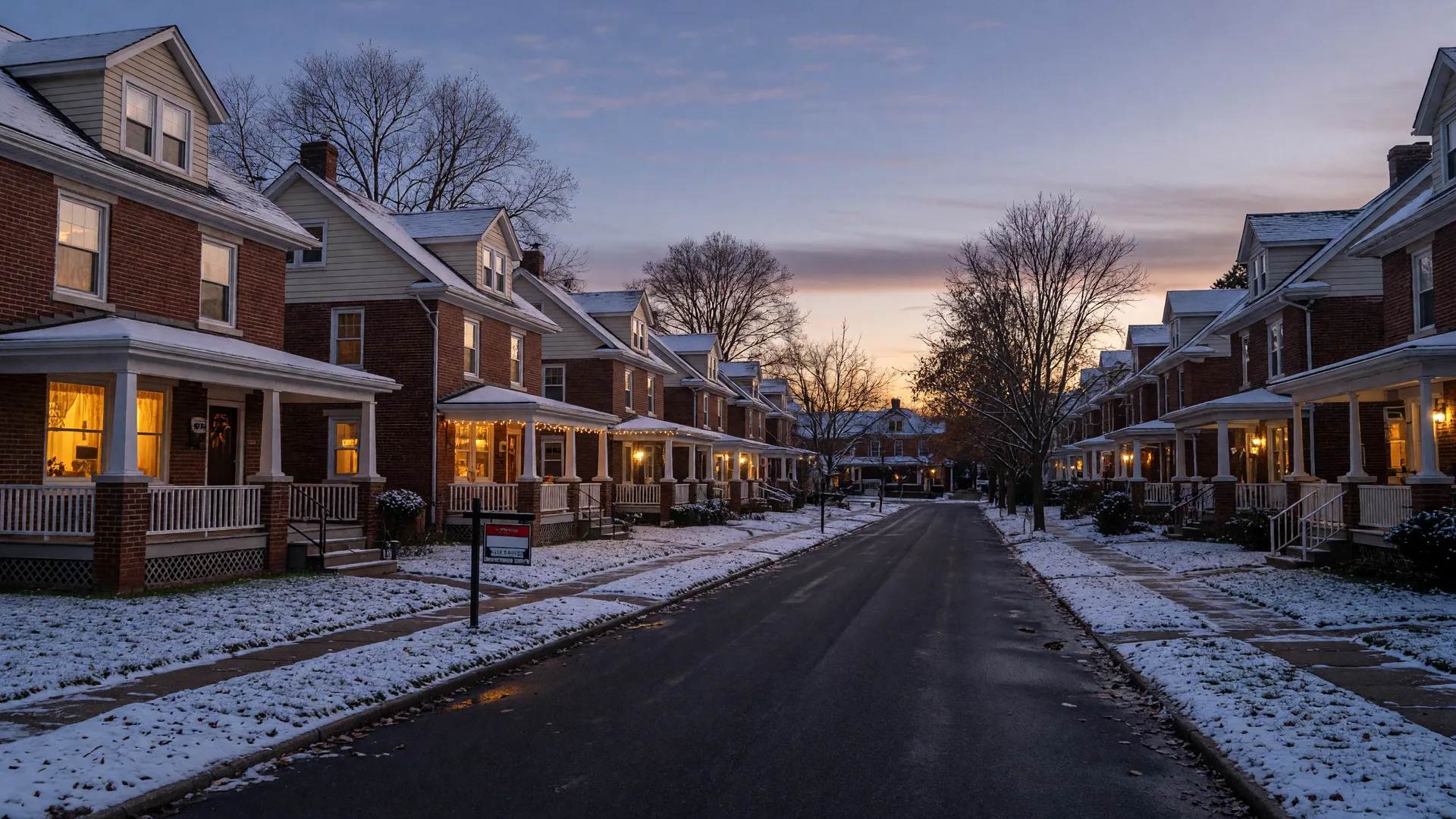
Clients ask me all the time whether they should just wait until spring, and the answer is never as simple as the calendar makes it sound. The truth is that the winter market follows completely different rules in each of my three states, and those rules can work very much in your favor if you understand them. The buyers who tour in January are not browsing, they are moving. The sellers who list in December are not experimenting, they are motivated. And the numbers right now, from interest rates to inventory, tell a story that rewards the prepared. Let me walk you through what actually happens in the winter months, market by market, role by role, so you can decide with your eyes wide open.
01 -- The Winter Calendar: Three Markets, Three Very Different Seasons
The first thing to unlearn is the idea that winter is one market. It is not. The same three months play out completely differently in Charlotte, St. Louis, and Naples, and knowing which rhythm applies to your move is half the strategy.
Charlotte: December through February is the region's slowest season for new listings, but the market never really closes. The latest Canopy REALTORS reports show the region sitting at roughly 4.3 months of supply, up from about 3.9 a year ago, with active inventory running 9 to 11 percent higher than last year and the median sales price around $410,000, up about 1.1 percent. That is a balanced market with the most choice buyers have had in years, and forecasters see prices holding roughly flat to gently higher through the winter. Fewer sellers list in the cold months, but the ones who do, and the buyers who show up, tend to be operating on a deadline, which changes how deals get made. Winter in Charlotte is not a dead market; it is a quieter, more serious one.
Greater St. Louis: this is the market where the winter slowdown is most real. The St. Louis REALTORS reports put the residential median around $340,000, up about 6.6 percent year over year, with Redfin's St. Louis County median near $325,000 and the metro around $305,000 per Homes.com. Inventory is up roughly 13 percent from a year ago, and homes in the hottest suburban pockets still go under contract in 11 to 21 days. But volumes drop hard in December and January. Fewer new listings, fewer active buyers, and homes that sit longer. The sellers who list in a St. Louis winter are typically selling for a reason: a job transfer, a life change, or a year-end goal. That makes them some of the most negotiable sellers you will ever meet. I have a saying I share with clients on both sides of the table: spring forgives pricing mistakes, winter does not.
Naples: the calendar flips entirely. Naples is a seasonal market, and the winter is its spring. Snowbird season runs roughly November through April, with the heaviest buying between January and March. The latest Naples Area Board of REALTORS data shows the correction is behind it: the median closed price sits around $575,000, down about 1.7 percent from a year ago, but active inventory has fallen roughly 21 percent to about 4,100 homes, and months of supply has dropped from about 8.1 to 5.4, right on the balanced line. The buyers are already arriving, open houses are busier, and sellers know they have the eyes of the country for the next five months. If you want to buy in Naples, the winter is not the slow season; it is the main event, and the prepared buyer is the one who wins.
- Buyers: winter is a leverage season in Charlotte and St. Louis, and a competition season in Naples. Know which one you are in before you set your strategy.
- Sellers: a winter listing is a statement of motivation. Buyers read it that way, so price and condition need to match the moment.
- Relocators: your move window decides which seasonal market you land in. A January move to Naples lands in peak season; a January move to St. Louis lands in the quietest market of the year. Both can be great, but they demand different plans.
02 -- The Rate Layer: What Winter Costs Right Now
No winter plan survives contact with the interest rate, so let me be direct about where rates stand in early October. Freddie Mac's Primary Mortgage Market Survey put the 30-year fixed at 7.28 percent for the week ending October 1, then 7.40 percent the week ending October 8, the seventh consecutive weekly increase and the highest reading in the past year, up from 6.34 percent twelve months earlier. Bankrate's national lender survey has pushed past 7.5 percent. That climb is exactly why winter markets behave the way they do: buyers qualify for less, some step back, and the ones who stay are the ones who have to move.
Here is the arithmetic that frames every decision this season. On a $350,000 mortgage, each percentage point of rate costs or saves roughly $220 to $230 a month in principal and interest over a 30-year term. A half-point move is about $110 a month, which is real money in any household budget. That is why rate buydowns and seller concessions became the story of 2026: on the same sales price, a buyer who shaves half a point has more purchasing power than a buyer who argues over a slightly better price. For the winter ahead, the forecasters diverge but cluster: LendingTree expects rates to hover between 6.5 and 7 percent through the rest of 2026 and into 2027, U.S. News' panel sees the mid-6s, and Norada's base case keeps the 30-year near or above 7 percent this fall and winter. No one is forecasting a dramatic plunge, so the practical question is not whether rates will drop; it is what you can afford to lock in now versus what you risk waiting for.
- Buyers: shop rate, not just lender. Ask about buydowns, lender credits, and lock timing, and get pre-approved with a rate you could genuinely live with at 7 percent plus, not a teaser.
- Sellers: a concession toward the buyer's rate frequently closes a gap faster than a price cut of equal size, because it moves the monthly payment, which is what buyers actually feel in the winter months.
- Relocators: pre-approve in the destination state before you make offers, and ask whether a rate lock can span your move window. A lock that covers a January closing is worth real peace of mind.
03 -- Selling in Winter: The Rules That Change
For sellers, winter is a different game, and it rewards different behavior. The first rule is to remember who is touring. The families browsing in July are often just starting to think about a move. The buyers walking through your home in January are usually under contract elsewhere, relocating for a job, or working a hard deadline. They are qualified and they are ready, and a ready buyer is worth more than ten browsers. In Charlotte and St. Louis, where winter inventory thins out, a well-presented home can actually stand out more in January than it would in the spring crush.
The second rule is that pricing discipline matters more in winter than any other season. A home overpriced by five percent in December can sit for sixty-plus days while the spring listings open fresh around it, because there is simply less traffic to generate competing offers. In St. Louis especially, where the slowdown is deepest, the sellers who price honestly in the quiet months are the ones who actually close before the holidays. In Naples, winter is a seller's strongest hand of the year, with the heaviest demand of any season, but even there the balanced 5.4 months of supply means serious buyers still have choices. Price your home like the market, not like the spring you wish you had waited for.
The third rule is seasonal staging and winter-proofing. Warm light matters enormously: turn on lamps, open blinds on gloomy days, and make the home feel like refuge from the cold. Keep holiday decor elegant and neutral rather than personal. Clear walkways and entry stairs before every showing, and keep the house warm, because buyers will notice a drafty room immediately. Have your furnace serviced before you list, because the heating system is what a January buyer's inspector will test first, and keep the maintenance records handy. A pre-listing inspection is worth its weight in the winter months: it lets you fix roof, gutter, insulation, and ice-dam issues on your schedule instead of negotiating them on the buyer's.
- Expect serious buyers: the January crowd is qualified and deadline-driven, so be ready to negotiate because they are ready to move.
- Price like the season: honest pricing in winter beats wishful pricing that carries into February.
- Warmth and light: service the heat, brighten every room, keep walkways clear, and keep holiday decor neutral.
- Inspect first: a pre-listing inspection in November catches roof and heating issues before buyers do.
- Flexible dates win: a closing that works around a relocating buyer's move window can be the detail that beats a higher offer.
04 -- Buying in Winter: The Off-Season Advantage
For buyers in Charlotte and St. Louis, winter is the quiet superpower season. There is less competition for every home you tour, because a large share of would-be buyers has decided to "wait for spring." The sellers who remain are the motivated ones I described above, which means more negotiable room on price, on concessions, and on closing dates. In a St. Louis January, homes that would have drawn five offers in May may sit long enough for you to negotiate without a bidding war, and in Charlotte's balanced 4.3-month-supply market, buyers have real leverage for the first time in years. If your timeline can handle a winter closing, the off-season can be the cheapest, least stressful buying season you will ever experience.
Winter is also an underrated inspection season. A January inspection shows you how the house actually behaves in the cold: whether the heat keeps up, whether the roof and gutters shed water and ice, whether windows and doors draft, and whether the attic insulation does its job. Buyers in July never see a house under winter conditions, and those systems are expensive to fix blind. Paying for a thorough winter inspection is one of the best purchases a buyer can make, because it surfaces the problems that only show themselves when it is cold outside.
Naples flips this advice upside down, and I want to be honest about that. If your target is Naples, winter is the peak season, which means more competition, not less, and good homes in the most desired corridors still move quickly between January and March. That does not make winter the wrong time to buy; it is the best time of year to see the market at full strength and to catch the late-season turnover that snowbirds create. It just means you show up prepared: pre-approved, touring early, and ready to move when the right home appears, because the inventory is down 21 percent from last year and the firming numbers are real.
- Get pre-approved first: with rates near 7.4 percent, your approval letter is what separates a serious offer from a look.
- Count the competition: few offers means room to negotiate terms like closing dates and concessions in Charlotte and St. Louis; expect a faster pace in Naples.
- Buy the winter inspection: heat, roof, gutters, and drafts tell their real story in January.
- Watch the rate calendar: if rates ease toward the 6.5 to 7 percent range forecasters describe, a winter lock protects you either way.
- Use the quieter weeks: the days between Christmas and New Year are the emptiest on the calendar, a genuinely overlooked window to tour and negotiate.
05 -- Relocating in Winter: Timing, Schools & Moving Logistics
Relocators live on the calendar more than anyone, because their move date is usually not their choice. The good news is that winter relocation has real advantages if you plan for it. Moving companies discount their slow months, and December and January are their slowest, so a winter move is often cheaper than a summer move of the same size. The trade-off is booking early, because holiday weeks fill up fast, and building a buffer into your timeline for winter weather, especially in St. Louis, where ice and snow can delay showings, appraisals, and closings. Charlotte sees the occasional ice storm, and Naples, for all its season, rarely has a weather-related closing delay, which makes it the most predictable winter market of the three.
If school timing is part of your decision, winter is a genuinely strategic season. A closing in December or January and an enrollment in the spring semester is often easier than arriving in August and racing the fall registration scramble. In the Charlotte region, families who close mid-winter have time to research districts, tour schools, and get settled before the spring enrollment windows open. In St. Louis, the same logic applies across the County's districts, where the hot neighborhoods for relocating families, Kirkwood, Clayton, Chesterfield, and their neighbors, all turn over inventory in the winter months precisely because transfers move on corporate calendars. In Naples, Collier County's schools enroll year-round, but the families who buy in season often use the winter to establish residency before the next school year begins.
One more thing relocators should know: the winter slowdown in Charlotte and St. Louis is your negotiating window for the move itself. Houses sit longer, sellers are motivated, and a clean offer with a flexible closing date can carry real weight. Meanwhile the long-term fundamentals, headquarters moves, job growth, and inbound migration, keep pushing all three metros forward, so a winter purchase is not a bargain at the expense of the future; it is a timing advantage on a market that is still growing underneath.
- Book movers early: winter rates are better, but holiday weeks fill up, so reserve your dates the same week you firm your closing day.
- Build weather buffers: plan a two-week cushion between target closing and your must-move date in St. Louis and Charlotte winters.
- Time the schools: a winter closing lines you up for spring enrollment instead of the fall scramble.
- Lock your rate across the move: ask your lender whether the lock spans your cross-state closing window.
- Tour remotely with a local eye: I video-tour homes for out-of-state clients year-round, and in winter you get the bonus of seeing how each house performs in real cold.
06 -- Relocation News: What Just Changed in All Three Metros
For anyone weighing a winter move, the housing numbers are only half the story. The other half is who is hiring and arriving, and all three of my metros had significant news in the first two weeks of October.
Charlotte: corporate headquarters keep landing. Daimler Truck Financial Services cut the ribbon on its new North American headquarters in Ballantyne on September 29, a roughly 60,000-square-foot space bringing about 350 jobs to south Charlotte. The same week, Capital Group raised its Charlotte commitment to as many as 1,000 workers in Uptown's One Independence Center, up from the 600 jobs first pledged, and The Center Square reported the Women's Tennis Association choosing Charlotte as the region's fifth corporate headquarters of 2026. When a city adds employers this fast, it adds residents this fast, which is part of why Charlotte's inventory keeps getting absorbed at stable prices even in the slow season.
Greater St. Louis: the region's manufacturing story keeps building. King Technology, a Minnesota-based water-care manufacturer, opened a $17 million, 208,000-square-foot manufacturing and distribution facility in St. Peters on September 29, its first facility outside its home state and a new employer for the metro's west side. Boeing continues hiring across its Defense, Space & Security headquarters in the region, and the January transfer season, when corporate relocation budgets and HR calendars reset, is exactly when those roles start filling homes in St. Charles County and west St. Louis County. The tight inventory and 11 to 21 day contract times in those suburbs are the direct result.
Naples: the season's access story is the big one. American Airlines is expected to begin scheduled nonstop service between Naples Municipal Airport and Charlotte in December, with the Naples Airport Authority saying the route is intended to run year-round, the first scheduled commercial service out of the airport in years. JSX has also announced nonstop semiprivate flights from the New York area to Naples for this winter, and Southwest Florida International Airport in Fort Myers added new seasonal routes from Allegiant, Avelo, Breeze, Delta, and Southwest. On the ground, the Naples Beach Club, a Four Seasons Resort, is completing its phased opening with 153 residences, and RH is expected to open at Waterside Shops. All of it points the same direction: the year-round economy is growing, not just the season, and winter buyers are arriving with more ways to get here.
- A job headline is a housing headline in disguise. Headquarters, factories, and new flights all land in sale prices within a year or two.
- Charlotte is absorbing newcomers with stable prices; St. Louis keeps its value story with tight suburban inventory; Naples is firming just as the heaviest buying season begins.
- Work with one agent licensed in NC, MO, and FL so the contract, tax, and timing questions of a winter move get one answer instead of three.
07 -- The Winter Playbook, Month by Month
Here is the season laid out so you can see where you fit, starting with where we are right now and running through the spring ramp.
- Buyers: decide whether a winter close works for you, then get pre-approved this month. Rates are 7.4 percent and jittery; lock conversations happen now.
- Sellers: run the pre-listing inspection and deferred repairs now, before the cold settles in. A November listing gets whatever holiday traffic exists.
- Relocators: firm the move date, book movers, and tell your agent so the search windows line up.
- Buyers: the pre-Thanksgiving weeks are your best shot at a same-year close in Charlotte and St. Louis; Naples is warming up.
- Sellers: homes listed in early November attract the serious relocating buyer who needs a home before the year ends.
- Relocators: target December closings if you want the new address on the new year's documents and the spring enrollment lists.
- Buyers: the week between Christmas and New Year is the emptiest on the real estate calendar. Sellers who are live are priced to move, and the tours are yours.
- Sellers: keep showings warm, bright, and neutral; a buyer touring between the holidays is a buyer on a real deadline.
- Relocators: expect lenders, title companies, and inspectors to run lighter schedules between the holidays; build the buffer in.
- Buyers: January inventory is low but motivated, and February is typically the cheapest seasonal pricing point in Charlotte and St. Louis. In Naples, January through March is peak competition, so move first.
- Sellers: February is the last calm month before the spring ramp. List in February and you capture the first wave of March buyers without the March competition.
- Relocators: the transfer season is peaking now. If your job moves you in the first quarter, a February home search puts you ahead of the spring crowd in all three metros.
08 -- The Bottom Line, in Plain English
Here is the whole season in a few sentences. Winter is not the worst time to buy, sell, or move; it is simply a different game in each market. Charlotte stays balanced with the most choice in years, St. Louis turns into a quiet, negotiable market where spring does not forgive pricing mistakes, and Naples treats winter as its busiest season of the year. Rates are the wildcard at about 7.4 percent, so pre-approval and a solid rate strategy matter more than ever, and the relocation news, headquarters in Charlotte, factories in St. Louis, and new flights into Naples, tells you all three metros are still growing underneath the seasonal surface.
This is the part of my job I love most: sitting down with a client, putting the calendar and the numbers on the table together, and turning a seasonal question into a real plan. I have helped buyers, sellers, and relocators navigate these three markets through booms, corrections, and everything between for twenty years, and I treat every client like family, because that is how this should feel. If you are wondering whether this winter is your window, bring me the question. We will look at your timeline, your budget, and the specific neighborhoods you care about, in Charlotte, St. Louis, or Naples, and decide together, free, with no pressure and no obligation. That is what the next hour is for.
Not Sure Which Season Is Right for You?
Let us decide together. Whether you are buying, selling, or relocating in Charlotte, St. Louis, or Naples, you will leave a free consultation with a clear, honest plan and no pressure, from a 20-year broker licensed in NC, MO, and FL.
Book Your Free ConsultationSources
Market data and forecasts compiled from publicly available reports as of early October 2026. Figures vary by source, neighborhood, and price band. This article is for general information only and is not legal, tax, or financial advice.
- 30-year fixed-rate mortgage average: Freddie Mac Primary Mortgage Market Survey
- 30-year fixed-rate series (FRED): FRED / St. Louis Fed
- Mortgage rate forecasts for the rest of 2026 and 2027: LendingTree, U.S. News, and Norada
- Charlotte region housing market report (August 2026): Canopy REALTORS
- City of Charlotte price and days-on-market data: Redfin
- St. Louis REALTORS monthly housing report: St. Louis REALTORS
- St. Louis City and County price data: Redfin and Homes.com
- Naples housing market data (August 2026): NaplesEd / NABOR
- Daimler Truck Financial Services opens Charlotte headquarters: K104.7
- Capital Group raises Charlotte job target to 1,000: Business North Carolina
- Charlotte lands its 5th corporate headquarters of 2026: The Center Square
- King Technology opens St. Peters, Missouri operations: Greater St. Louis, Inc. and Missouri DED
- American Airlines year-round Naples service from December: USA Today / Naples Daily News
- JSX nonstop flights from NYC to Naples: Upgraded Points
- Fort Myers RSW adds winter routes: Naples Daily News
- Naples Beach Club, A Four Seasons Resort: Four Seasons
- New and coming-soon businesses in Naples: Fahey Team Naples