
Home Staging and Pre-Sale Preparation: How to Get Top Dollar in Every Market.
The difference between a home that sells fast at full price and one that lingers on the market with price reductions almost always comes down to preparation. Here is exactly what to do before you list, backed by real data from Charlotte, St. Louis, and Naples.
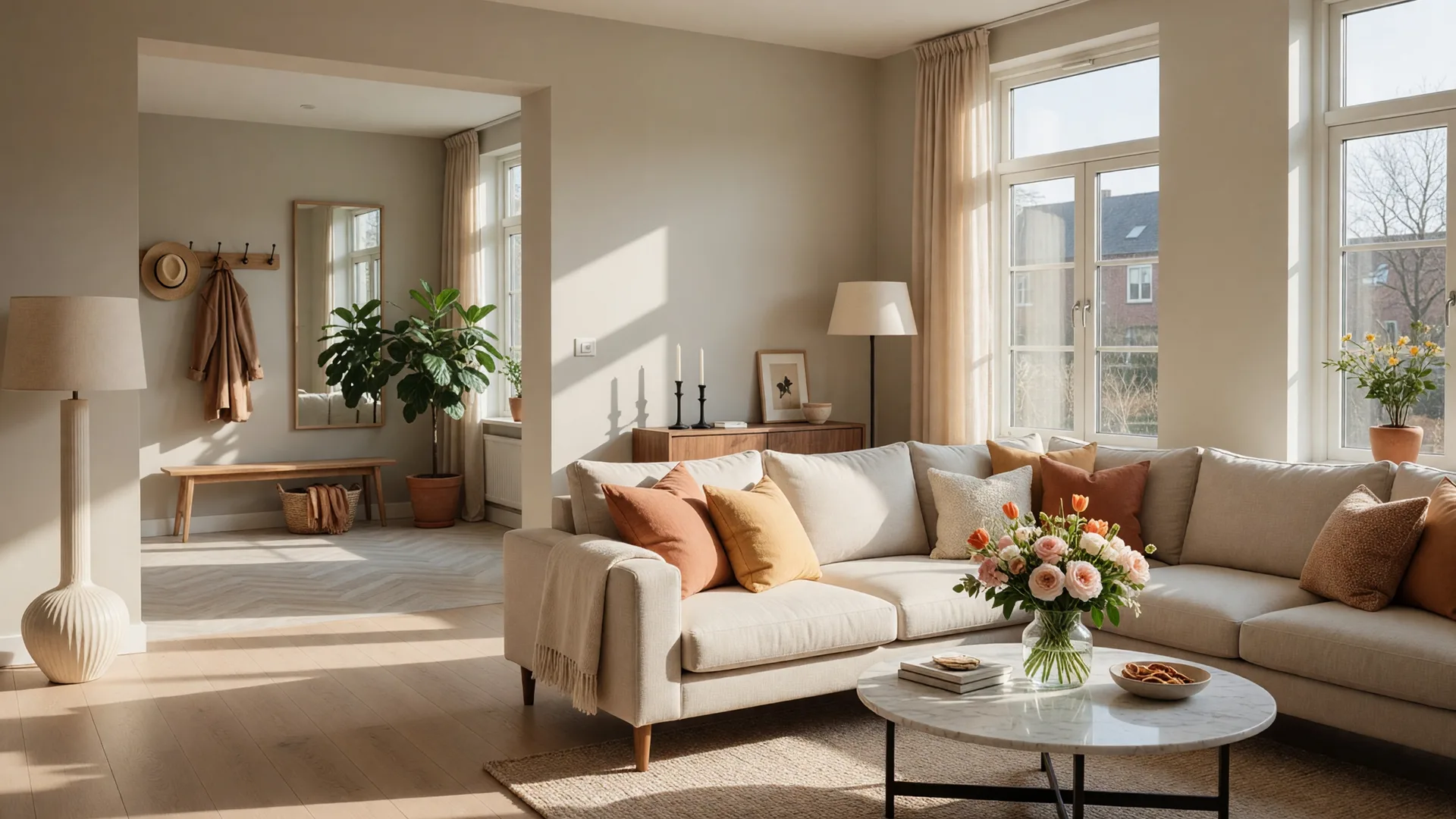
After twenty years in this business, I can walk into a home and know within sixty seconds whether it will sell at its asking price within the first thirty days. The tell is never about the size of the kitchen or the quality of the flooring. It is about how the home feels. And how a home feels is almost entirely within the seller's control.
I have guided hundreds of sellers through the process of preparing their homes for the market, and I have watched the same pattern play out across all three of my markets: the sellers who invest in staging, curb appeal, and pre-sale preparation consistently net 5% to 15% more than those who do not. In today's market, where buyers have more choices and less urgency, that gap is only growing.
Let me walk you through exactly what works, what pays off, and what is a waste of money in each of my markets.
01 -- The Data on Staging: Why It Is Not Optional Anymore
I will be direct with you: in 2026, professional staging is the single highest-return investment you can make before listing your home. The data is unambiguous.
Nationally, the Real Estate Staging Association reports that staged homes sell at an average of 109% of list price, with a typical staging investment of roughly $3,800 translating into an average return of over $40,000. That is a return north of 3,500% on your staging spend. I have seen these numbers play out in real time across dozens of transactions in all three of my markets.
Staging ROI by Market
- Charlotte: Staging typically adds $12,000 to $25,000+ to the final sale price. Staged homes in the Southeast sell up to 30% faster and command 5% to 15% higher prices. Costs range from $1,000 to $3,000 for a partial stage and $3,000+ for a full furnishing package.
- St. Louis: Staged properties average 13 days on market versus 21 days for non-staged homes. Sales average 103.3% of list price compared to 100.4% for unstaged properties. That 3% premium on a $321,000 median home equals roughly $9,600 in your pocket.
- Naples: Professionally staged homes fetch up to 10% more than non-staged properties. Vacant home staging averages a $15,000 investment but can yield $50,000 to $80,000 in additional sale price on luxury properties.
The reason staging works is psychological, not decorative. Buyers need to see themselves living in a space. An empty room feels cold and undefined. A cluttered room feels small and overwhelming. A staged room tells a story: here is where you relax, here is where you cook, here is where your kids will grow up. That emotional connection is what makes a buyer write an offer at full price instead of lowballing or walking away.
02 -- Curb Appeal: Your Front Door Is Your Handshake
The first impression of your home happens before anyone walks through the door. In fact, most buyers decide within the first eight seconds of seeing a property whether they are interested. That decision happens on the curb.
I tell every seller the same thing: stand across the street from your home and look at it as if you were seeing it for the first time. What do you notice? Is the lawn trimmed and green? Are the shrubs overgrown? Is the paint chipping? Is the front door clean and inviting? These details matter far more than most sellers realize.
High-Impact Curb Appeal Improvements
A note for each market: In Charlotte, the focus should be on lush landscaping and a welcoming front porch. The tree canopy and natural beauty of neighborhoods like Dilworth and Ballantyne set a high bar. In St. Louis, many older homes in historic neighborhoods like Kirkwood and Webster Groves benefit enormously from fresh exterior paint and modernized front entries. In Naples, the tropical landscaping should be immaculate, and your front door should pop against the stucco -- think a deep coral, navy, or black gloss for maximum impact.
03 -- Inside the Home: Room-by-Room Staging Strategy
When I walk through a home with a seller before listing, I am not looking at what is beautiful. I am looking at what will distract a buyer from seeing the home's potential. Here is my room-by-room playbook.
Living Room and Common Spaces
This is where buyers spend the most time deciding if they can see themselves living in your home. The rules are simple: depersonalize, declutter, and define each space's purpose. Remove family photos, personal collections, and any furniture that makes a room feel smaller than it is. Arrange seating to encourage conversation. Use neutral colors on the walls and bring in warmth with pillows, throws, and fresh flowers. Every surface should be at least 60% clear.
Kitchen
The kitchen sells the house. Countertops should be completely clear except for one intentional vignette: a cutting board with a bowl of fruit, a cookbook on a stand, a small vase with fresh flowers. Clear the refrigerator of magnets, papers, and photos. Deep clean every surface until it shines. If your cabinets are dated, consider replacing just the hardware with modern pulls -- it costs under $200 and dramatically changes the look of the kitchen. In Charlotte's competitive market, a refreshed kitchen can be the difference between an offer at asking and a bidding war.
Primary Bedroom
Buyers want to imagine themselves sleeping soundly in your master suite. The bed should be the focal point with fresh, neutral bedding. Remove excess furniture. Clear closet floors completely and organize what remains by color. A well-organized closet signals that the home has adequate storage, which is one of the top three features buyers prioritize in all three of my markets.
Bathrooms
Bathrooms must feel like spas, not utility rooms. Remove every personal item from counters and showers. Store toiletries, toothbrushes, and medicines out of sight. New towels, a clean shower curtain, and a single decorative element like a small plant or a candle complete the look. Re-caulking around tubs and sinks is a $20 fix that eliminates the "is this bathroom clean or just wiped down?" question.
Tracey's Golden Rule of Staging
Buyers are not buying your home the way you live in it. They are buying the idea of living in it themselves. Every staging decision should answer one question: does this help a buyer see themselves here? If the answer is no, remove it, store it, or replace it. Your job as a seller is not to show off your taste. It is to create a blank, beautiful canvas that a buyer can project their own life onto.
04 -- Pre-Sale Repairs: What to Fix and What to Leave
One of the most common questions I hear from sellers is: should I fix things before listing, or sell as-is and let the buyer deal with it? The answer depends on the repair. Here is my framework for deciding.
- • Obvious plumbing leaks (dripping faucets, running toilets)
- • Peeling or chipped paint (inside and out)
- • Broken windows or cracked glass
- • Missing or damaged roof shingles
- • Non-functioning light switches or outlets
- • Sticking doors or drawers
- • Damaged or missing floor tiles
- • Aging HVAC systems (over 15 years but working)
- • Old roof with a few years of life remaining
- • Outdated but functional kitchen or bathrooms
- • Carpet that is worn but clean
- • Minor cosmetic issues the buyer might want to customize
The critical distinction is between things that signal neglect and things that signal a need for updating. A dripping faucet tells a buyer that you did not maintain the home. An outdated but clean kitchen tells a buyer that the home is well cared for but due for a future renovation. The first hurts your sale price. The second is an opportunity for negotiation.
If you are on the fence about a repair, consult me before you spend the money. I have seen sellers spend $15,000 on a kitchen refresh that returned $25,000 at sale, and I have seen sellers spend $8,000 on landscaping that made zero difference because the neighborhood's comps had already set a ceiling. I will tell you honestly where your money is best spent in your specific market and price range.
05 -- The Pre-Listing Home Inspection: Your Secret Weapon
This is my single most effective recommendation for sellers in 2026, and it is the one most sellers overlook. Order a pre-listing home inspection before you put your home on the market.
Here is what happens when you do: you learn exactly what a buyer's inspector will find. You fix the issues on your own timeline, with contractors you choose, at prices you control. You present the inspection report to buyers upfront, along with a list of completed repairs. The buyer's agent sees a transparent, well-maintained home. The buyer feels confident writing a clean offer without contingencies. And you avoid the single biggest cause of renegotiated sales: surprises from the buyer's inspection.
I have seen pre-listing inspections eliminate the need for repair negotiations entirely in dozens of transactions. In Charlotte's balanced market, where buyers have more choices than they did a year ago, a pre-inspection report is a competitive advantage that sets your home apart. In St. Louis, where the top school districts still attract competitive offers, it can be the edge that pushes a buyer from "interested" to "offer submitted." In Naples, where the market has shifted toward buyers, transparency is your best negotiating tool.
A pre-listing inspection typically costs $400 to $700 depending on the home size and market. Compare that to the $5,000 to $15,000 in repair concessions that buyers often negotiate after their own inspection finds issues you knew about but did not fix. The math is clear.
06 -- Professional Photography: The Non-Negotiable
In 2026, 99% of buyers start their home search online. The first time they see your home, it will be on a screen. If your listing photos look like they were taken on a smartphone with bad lighting, you have already lost most of your potential buyers before they ever set foot on your property.
Professional real estate photography is not a luxury. It is a requirement. A professional photographer uses wide-angle lenses, HDR processing, and staging-specific lighting to make every room look its best. Drone photography has become standard for anything over $400,000 in Charlotte and St. Louis, and for virtually any single-family home in Naples. Virtual tours and 3D walkthroughs are now expected by serious buyers, especially those relocating from out of state.
When I list a home, professional photography, a virtual tour, and a floor plan are part of the package. I have seen the data on what happens when sellers try to cut this corner: homes with professional photos sell 32% faster and for 3% to 10% more than homes with amateur photos. On a $400,000 home in Charlotte, that 3% premium is $12,000. The photography cost is typically $400 to $800.
Market-Specific Photography Notes
Charlotte's tree-lined neighborhoods and Southern architecture photograph best in the golden hour. St. Louis historic homes with their brick facades and original woodwork need a photographer who knows how to capture both the character and the modern updates. Naples waterfront properties demand twilight photography that captures the sunset and the reflection on the water. Your photographer choice should be market-specific.
07 -- Your Pre-Sale Checklist: Starting 60 Days Out
- 8 WEEKS Declutter and depersonalize. Start packing up family photos, personal collections, and excess furniture. Rent a storage unit if needed. Your home should look like a model home, not a lived-in home.
- 6 WEEKS Order your pre-listing inspection. Get the report, prioritize repairs, and start fixing issues. This gives you time to get multiple contractor bids and avoid rush pricing.
- 4 WEEKS Tackle curb appeal and minor repairs. Paint the front door, pressure wash the exterior, refresh landscaping, replace dated hardware, and re-caulk bathrooms.
- 2 WEEKS Deep clean everything. Every window, every baseboard, every light fixture, every ceiling fan. Consider a professional cleaning service. Carpets should be professionally steam-cleaned.
- 1 WEEK Professional staging and photography. Bring in the stagers. Schedule the photographer. Prepare a showing-ready state: beds made, counters clear, toilets clean, garbage taken out, lights on, blinds open.
- LISTING DAY Go live with your agent's full marketing plan. MLS, professional photos, virtual tour, floor plan, social media promotion, and an open house strategy. I handle all of this for my sellers from start to finish.
Market-Specific Guidance for Sellers
Charlotte Sellers
You have a real advantage right now: Charlotte's inventory is the highest it has been in nearly a decade, which means serious buyers are actively looking. But it also means more competition. Every home in your price range that shows better than yours will get the offer instead. In neighborhoods like Ballantyne, Dilworth, and South End, staging is table stakes, not optional. If you are selling a home in the $400,000 to $600,000 range, I recommend budgeting at least $3,000 for a full staging package and professional photography. The return is consistently five to ten times that investment.
St. Louis Sellers
The St. Louis market still favors sellers in the most desirable school districts, but the edge is narrowing. In Kirkwood, Clayton, and Webster Groves, well-staged homes in the $350,000 to $600,000 range are still attracting multiple offers in the first two weeks. Homes that skip staging and pre-listing preparation are sitting longer and selling for less. The data is clear: staged St. Louis homes sell in 13 days versus 21 days for non-staged. That eight-day difference often translates into a cleaner, higher offer. You cannot afford to skip this step.
Naples Sellers
Naples has shifted toward a buyer's market, especially in the condo segment. This means your presentation matters more than it did two years ago. For single-family homes in communities like Pelican Bay, Grey Oaks, and Park Shore, professional staging is essential to command the premium prices these neighborhoods are known for. For condo sellers, a pristine, neutral interior is non-negotiable. Condo buyers in today's Naples are comparing multiple units in the same building. The one that shows best wins. A pre-listing inspection and a detailed disclosure of the building's reserve study and HOA finances will remove objections before they arise.
Ready to Sell? Let's Build Your Pre-Sale Plan Together.
Whether your home is in Charlotte, St. Louis, or Naples, I will walk through every room with you, identify the investments that pay off in your specific market, and create a custom pre-sale plan. No guesswork. No wasted money. Just a clear path to top dollar.
Book Your Free Consultation30-minute strategy session. Bring photos of your home. I will bring the plan.
20 years of expertise. Dual Metro. Same unstoppable results.
-- Tracey De Simon