
The Home Inspection Playbook: What Every Buyer and Seller Needs to Know in 2026.
After a few years where buyers waived inspections to compete, they are back with a vengeance. In 2026, nearly 86% of home inspections uncover issues that need attention, and 83% of buyers ask for repairs. Whether you are buying or selling in Charlotte, St. Louis, or Naples, here is how to navigate the inspection phase without losing your deal.
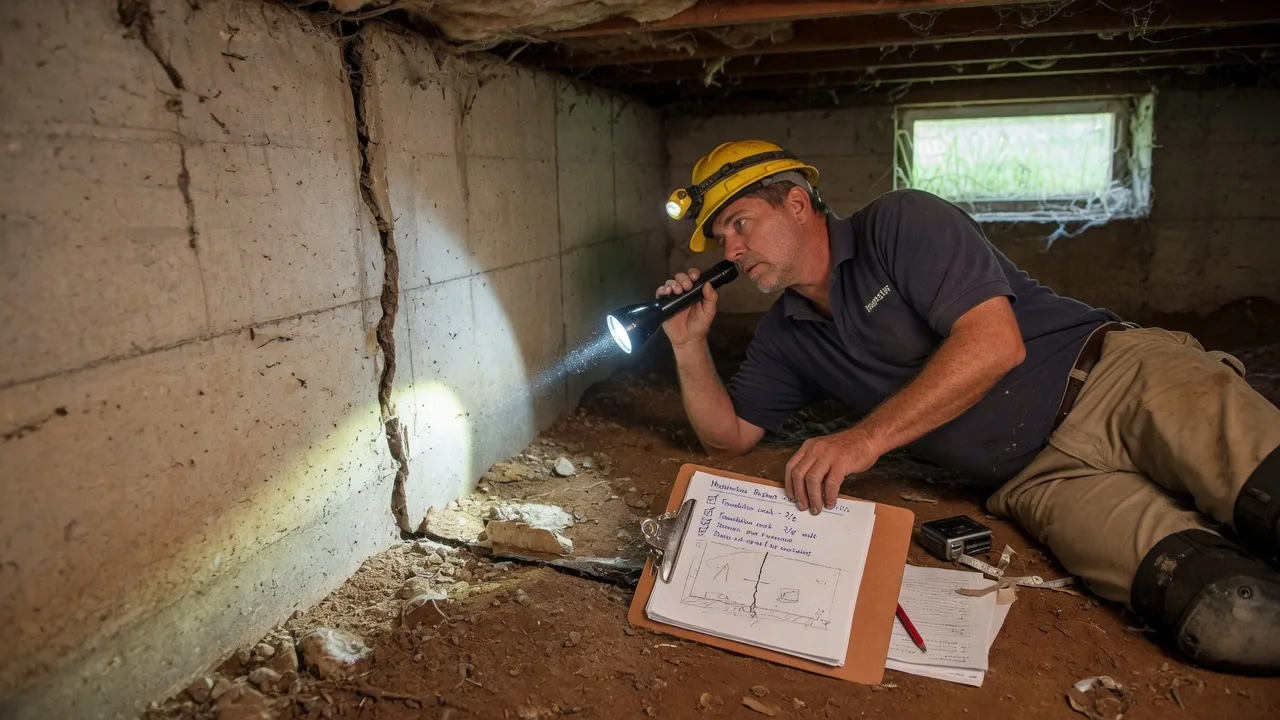
I want to start with a truth that applies whether you are buying your first home or selling the one you have lived in for twenty years: the home inspection is not the enemy of a good real estate deal. It is the most valuable neutral party in the entire transaction.
In 2021 and 2022, we saw a wave of buyers waiving inspections entirely just to get their offer accepted. That trend has reversed hard. In 2026, home inspections are back as full deal-making or deal-breaking events. According to industry data, 86% of inspections reveal items needing attention, and buyers are using those findings to negotiate an average of $14,000 off the sale price (FindOrSellHome, 2026). Sellers who ignore this reality are leaving money, leverage, and smooth closings on the table.
Over my 20 years in this business, I have sat through thousands of inspection walkthroughs across Missouri, Florida, and North Carolina. The patterns are remarkably consistent, but the local specifics vary enormously. What matters in Naples is different from what matters in St. Louis, and both are different from the concerns you will hear in Charlotte. Let me break it down market by market, from both sides of the transaction.
Why Inspections Matter More in 2026 Than They Did Three Years Ago
The shift is driven by a few converging factors. Mortgage rates sitting near 6.4% mean buyers have less margin for surprise expenses after closing. If your monthly payment is already stretched, discovering a $12,000 HVAC replacement six months in is not an inconvenience, it is a financial crisis. At the same time, the years 2020 through 2022 saw a lot of deferred maintenance — homeowners who sold fast, skipped repairs, and passed problems to the next owner. Those problems are surfacing now.
Additionally, inventory has increased in Charlotte and Naples, giving buyers more choices. When you have multiple homes to pick from, you are far more likely to walk away from one with a long list of inspection issues than you would have been when homes were scarce and every offer was a bidding war. Buyers in 2026 are informed, cautious, and unwilling to inherit expensive problems.
For sellers, this means one thing: pretending the inspection will never happen — or that buyers will overlook issues — is a strategy that costs money. The most successful sellers I work with address problems before the inspector ever walks through the door.
What Every Buyer Needs to Know: The Inspection From Your Side
If you are buying a home, the inspection is your one opportunity to understand exactly what you are committing to before you sign the final paperwork. Here is how to make it work for you.
Know What a Standard Inspection Covers
A standard home inspection covers the visible and accessible systems of the home: roof, attic, foundation, basement or crawl space, electrical panel and wiring, plumbing, HVAC, windows, doors, insulation, and interior/exterior surfaces. It does not cover things like septic systems, wells, swimming pools, or underground sewer lines — those require specialized inspections that you may want to add depending on the property.
A good inspector will walk you through every finding and explain what is urgent, what is cosmetic, and what is just a maintenance item you should plan for. I always encourage my buyers to attend the inspection in person. You will learn more about your future home in those two to three hours than you will in any other part of the buying process.
Tracey's Rule: Always Attend the Inspection
I have never had a buyer regret attending their inspection. I have had dozens tell me they wished they had gone. The report tells you what is wrong. Being there tells you how wrong it is, how easy or hard it will be to fix, and whether the seller has been maintaining the home or letting things slide. That context is invaluable when you sit down to negotiate.
Market-Specific Issues to Watch For
In Charlotte, NC: The single biggest issue I see in Charlotte inspections is moisture management. With hot, humid summers and expansive clay soil, foundation movement, crawl space moisture, and mold are recurring problems. A full crawl space inspection — not just a glance through the access door — is essential. Many Charlotte-area inspectors also recommend radon testing, as levels vary significantly across Mecklenburg County. Typical inspection costs run $280 to $500, with radon and termite add-ons extra (HomeBlue, 2025).
In St. Louis, MO: St. Louis homes, especially in older neighborhoods like Soulard, Tower Grove, and Kirkwood, come with their own set of common issues. Foundation cracks and bowing basement walls are prevalent due to expansive clay soil and a high water table. Sewer line failures — old clay or cast-iron pipes — are another frequent finding, and a sewer scope inspection is something I recommend on every St. Louis property built before 1980. Radon exposure is also a concern in Missouri. Standard inspections run $300 to $500, and sewer scopes typically add $100 to $200 (HouseSoldEasy, 2026).
In Naples, FL: Naples inspections are driven as much by insurance requirements as by the physical condition of the home. The roof age and condition are the most critical factors — a roof nearing the end of its 20- to 25-year life can make it difficult or impossible to get affordable homeowners insurance. Electrical panels (especially older Federal Pacific or Zinsco panels), HVAC age, and signs of past water intrusion or mold are all top concerns. Hurricane protection — shutters, impact windows, door reinforcing — is another item buyers and their insurers scrutinize closely. Florida inspections typically run $300 to $600 depending on property size (Team239, 2026).
What Every Seller Needs to Know: How to Survive the Inspection
If you are selling your home, here is the reality: the buyer is going to inspect everything. And in 2026, they are going to ask for repairs. The question is not whether issues will come up, it is whether you have addressed them ahead of time or whether you will be negotiating from a defensive position.
The Case for a Pre-Listing Inspection
I advise every seller I work with to consider a pre-listing inspection. Here is why: when you know what the inspector will find, you control the narrative. You can fix the truly concerning items before the house hits the market, price the home accurately based on its actual condition, and remove the element of surprise from the buyer's inspection.
In Charlotte, where well-priced homes in the $350K to $500K range still go under contract quickly, scheduling a pre-listing inspection at least 30 days before listing gives you time to make repairs on your schedule, not under the pressure of a buyer's deadline. In St. Louis, where many homes have deferred maintenance from decades of ownership, a pre-listing inspection can be the difference between a smooth closing and a deal that falls apart during the inspection phase.
In Naples, the pre-listing inspection has an added benefit: it lets you address the insurance-sensitive items (roof, electrical, HVAC, storm protection) before a buyer's insurance company uses them as reasons to deny coverage or demand expensive upgrades after contract.
What to Fix Before You List
Based on the most common findings across all three markets, here are the repairs that consistently give you the highest return on investment before listing:
Highest-ROI Pre-Listing Fixes
- ✓ Roof repairs and flashing. Missing shingles, damaged flashing, and signs of age send buyers into panic mode. Fixing these costs a fraction of what you will concede in a price reduction.
- ✓ Electrical safety items. GFCI outlets near sinks, missing cover plates, burned-out bulbs in fixtures, and ungrounded outlets near water. Most of these cost under $50 to fix but appear on nearly every inspection report.
- ✓ Plumbing leaks and drips. Even a slow drip under a sink signals neglect to a buyer. Fix every leak, replace worn caulk around tubs and showers, and make sure toilets are secure.
- ✓ HVAC servicing. A recent service record with clean filters and a functioning system removes an entire category of buyer concern. In Charlotte's heat and Naples' humidity, a working AC is non-negotiable.
- ✓ Exterior grading and drainage. Make sure water flows away from the foundation, not toward it. This is a top issue in Charlotte and St. Louis, where clay soils and heavy rain combine to create foundation and crawl space moisture problems.
- ✓ Smoke and carbon monoxide detectors. They cost $15 each. Having working detectors in every required location removes a line item from every inspector's report.
How to Handle the Buyer's Repair Request
When the buyer's inspection report comes back, they will almost certainly submit a repair request. This is not a confrontation, it is a negotiation. Here is how I advise my sellers to approach it:
- Separate safety from cosmetics. Safety items — electrical hazards, gas leaks, structural concerns, active roof leaks — should be addressed. Cosmetic preferences — scratched countertops, worn carpet, a cracked windowpane — are negotiable. When you handle the safety items promptly, you build goodwill that often makes the buyer more flexible on the cosmetic requests.
- Consider a credit instead of doing the work. If the buyer asks for a repair you do not want to coordinate from across town, or if you are on a tight timeline, offering a seller credit at closing is often simpler and equally acceptable to the buyer. They get to choose their own contractor and oversee the work personally.
- Do not say no to everything. The sellers who refuse every repair request, no matter how reasonable, create an adversarial dynamic that can unravel the entire deal. In 2026, with buyers willing to walk over inspection findings, intransigence is expensive. Pick your battles carefully.
The Repairs That Matter vs. The Ones You Can Let Go
One of the hardest skills to learn in real estate is distinguishing between a genuine problem and a normal part of homeownership. In 20 years, I have seen buyers walk away from otherwise great homes over a $200 plumbing repair, and I have seen sellers lose a solid offer by refusing to fix a leaking water heater. Here is my framework for deciding what matters.
The Inspection Priority Matrix
Fix Without Hesitation
- Active roof leaks or missing shingles
- Gas leaks or carbon monoxide risks
- Active electrical hazards (exposed wiring, overloaded panels)
- Active plumbing leaks causing water damage
- Structural cracks or foundation movement
- Mold or active moisture intrusion
- Non-functioning HVAC in extreme weather
Negotiate or Offer Credit
- Aging HVAC or roof with remaining life
- Worn but functioning appliances
- Old windows with minor air leakage
- Cracked windowpanes or worn seals
- Sticky doors or windows
- Minor grading or drainage improvements
- Outdated but safe electrical panel
Typically Cosmetic
- Scratched countertops or worn flooring
- Peeling wallpaper or paint
- Missing light bulb or fixture covers
- Minor nail pops in drywall
- Landscaping or yard condition
- Interior cosmetic preferences
Normal Maintenance
- Dirty HVAC filters (replace annually)
- Minimal efflorescence on basement walls
- Settling cracks in driveway or walkway
- Minor wear on fixtures
- Normal sediment in water heater
- Gutters needing cleaning
The Due Diligence Difference: North Carolina vs. Missouri vs. Florida
One of the most important things to understand is that the legal framework around inspections varies dramatically from state to state. If you are moving between markets, this can catch you off guard.
North Carolina uses a unique system where the buyer pays a non-refundable Due Diligence Fee directly to the seller. This fee — typically $500 to $3,000 depending on the market and price point — gives the buyer the exclusive right to conduct inspections for a set period, usually 14 to 28 days. If the buyer walks away for any reason during diligence, they lose their fee but keep their earnest money deposit. This system puts real money at stake for buyers, which is why I always recommend having your inspector lined up before you write the offer. The diligence clock starts ticking the moment the contract is signed, and every day counts.
Missouri uses a traditional inspection contingency structure. The buyer has a set period — typically 7 to 14 days — to complete inspections and either accept the property, request repairs, or terminate the contract and receive their earnest money back. This gives buyers more flexibility but also means the inspection period is shorter and must be managed carefully. In a competitive St. Louis market, sellers may ask buyers to shorten the inspection period to make their offer more attractive.
Florida also uses a standard inspection period tied to the buyer's right to terminate for any reason during the inspection window. Florida contracts typically allow 10 to 15 days for inspections. One Florida-specific consideration: buyers should ensure their inspection includes a wind mitigation inspection, which can qualify them for significant insurance discounts. This is a standard add-on for Florida inspections and can save hundreds of dollars per year on premiums.
The Mistakes I See Most Often
After two decades, certain patterns repeat. Here are the mistakes that cost buyers and sellers the most money:
- Buyers: Using the inspection report as a punch list for everything. Asking the seller to fix every single item on a 40-page inspection report — including a loose doorknob and a missing screw cover — makes you look unreasonable and damages your negotiating position for the items that actually matter. Focus on safety, structure, and systems. Let the cosmetics go.
- Sellers: Refusing to fix anything. I have seen sellers lose $10,000 in price because they would not spend $500 on a straightforward plumbing repair. The buyer walked, the next offer was lower, and the eventual sale price reflected the delay and the stigma of a failed inspection. Fix the small things. They pay for themselves.
- Buyers: Skipping specialized inspections to save money. A sewer scope costs $100 to $200. A radon test costs $100 to $150. A termite inspection costs $75 to $150. Compared to the cost of a failed sewer line ($5,000 to $15,000) or a radon mitigation system ($800 to $2,500), these inspections are the best insurance you can buy.
- Sellers: Not addressing the roof before listing. In all three markets, but especially in Naples and Charlotte, the roof condition is one of the first things inspectors check and buyers ask about. If your roof is 15 years old with visible wear, you have two choices: replace it now and control the cost, or let the buyer use it as leverage for a $10,000 to $15,000 credit later.
- Buyers: Not asking about insurance before the inspection. In Florida especially, but increasingly in coastal North Carolina and even parts of Missouri prone to flooding, the ability to get affordable homeowners insurance is a deal-breaker. A home that passes inspection but cannot be insured at a reasonable rate is a home you cannot afford. Check insurance eligibility and estimated premiums before you write the offer.
Your Inspection Game Plan
- STEP 1 Know your state's rules before you write an offer. Understand the inspection contingency, due diligence fee, and timeline for your specific market. In North Carolina, have your inspector ready before you submit. In Missouri, be prepared for a shorter window. In Florida, schedule a wind mitigation inspection alongside your general inspection.
- STEP 2 Attend the inspection in person. Whether you are the buyer or the seller, being there gives you context no report can capture. Buyers learn how things work and where the shutoffs are. Sellers hear what the inspector actually finds and can prepare their response.
- STEP 3 Prioritize the findings. Safety and structure first, systems second, cosmetics third. Do not let minor items derail a good deal from either side.
- STEP 4 Negotiate in good faith. Buyers: ask for what you actually need. Sellers: respond to reasonable requests. A cooperative negotiation closes faster and leaves both parties feeling good about the outcome.
- STEP 5 Get everything in writing. Any agreed-upon repairs, credits, or concessions should be documented in a formal amendment to the purchase contract before closing. Verbal agreements between agents or inspectors do not hold up at the closing table.
The Bottom Line: Inspections Are Protection, Not Punishment
I have never seen a perfect inspection report. I have never seen a home — including my own — that did not have something an inspector could flag. That is because homes are complex mechanical systems exposed to weather, time, and wear. Inspections are not about finding a flawless house. They are about understanding what you are buying or selling so you can make an informed decision with your eyes wide open.
For buyers, the inspection is your last line of defense before one of the biggest financial commitments of your life. Use it. Attend it. Ask questions. And when the report comes back, lean on someone who has been through hundreds of them to help you decide what matters and what does not.
For sellers, the inspection is an opportunity. Fixing the obvious issues before you list, being transparent about what you know, and approaching repair requests with a cooperative mindset will almost always get you to a higher net price with less stress and fewer delays.
Whether you are a first-time buyer in Charlotte wondering what to expect when the inspector shows up, a family selling your St. Louis home of twenty years, or a snowbird looking at a Naples condo — the right preparation makes all the difference. I would love to walk you through it.
Ready to Buy or Sell? Let's Plan Your Inspection Strategy.
Whether you are buying your first home or selling after thirty years, I will help you navigate the inspection phase with confidence. No pressure, just straight talk and a plan that works for you.
Book Your Free Consultation30-minute video call. Bring your questions. No sales pressure, ever.
20 years of expertise. Dual Metro. Same unstoppable results.
— Tracey De Simon