
Why the Appraisal Is the Deal Decider in 2026: A Playbook for Buyers, Sellers & Relocators in Charlotte, St. Louis & Naples
Of all the steps between a signed contract and a closing date, the home appraisal is the one that quietly decides more deals than anything else in 2026. With the 30-year fixed rate near 7.4 percent and roughly 8 to 10 percent of appraisals coming in below the contract price, a low number is no longer an edge case, it is a real possibility that every buyer, seller, and relocator should plan for in advance. Here is how the appraisal works today, what it means in Charlotte, St. Louis, and Naples right now, and the exact playbook I use with my own clients when the number does not cooperate.
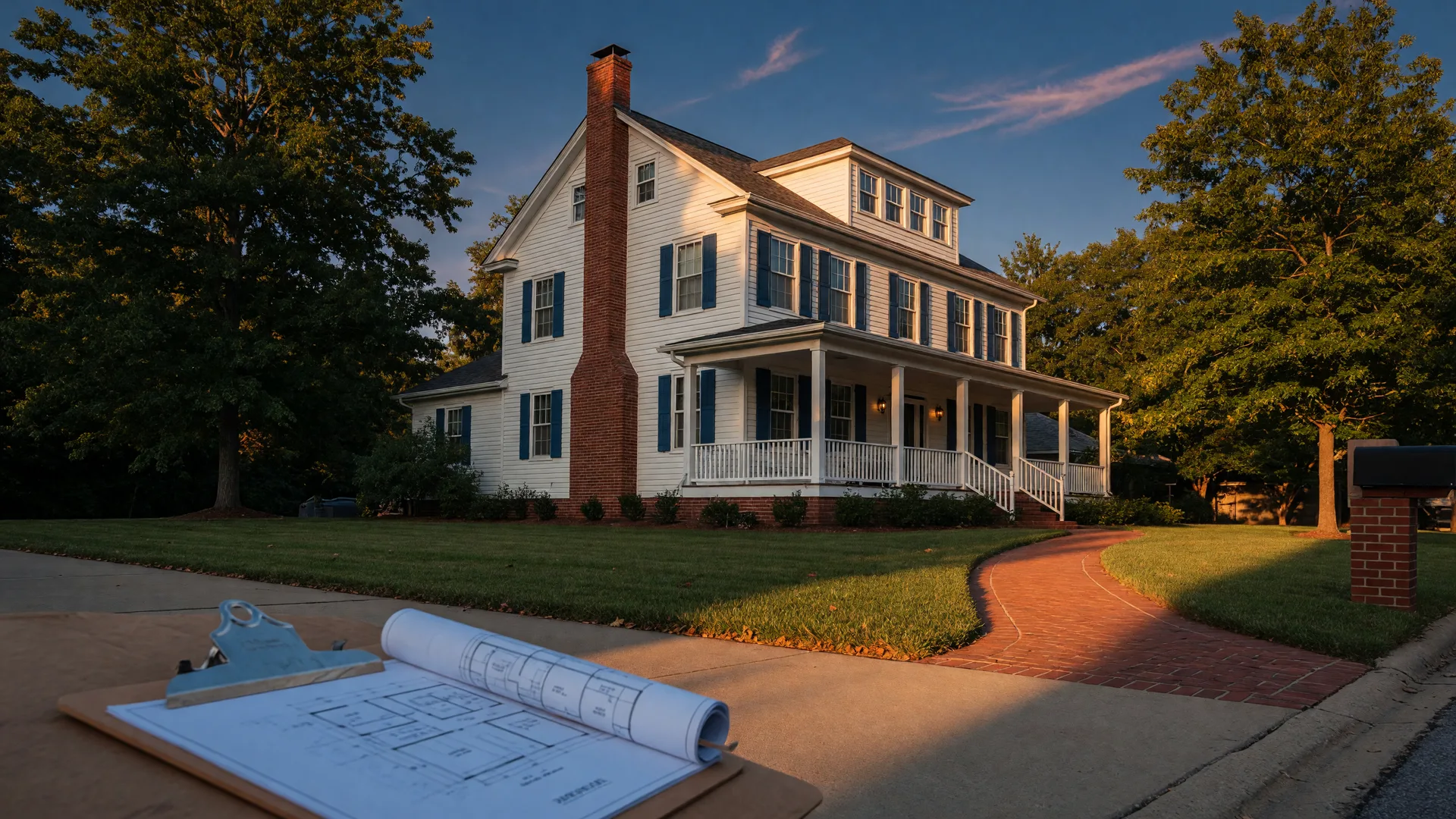
I have been in real estate for twenty years, and I have watched the appraisal move from a formality into the moment of truth. In a hot market, buyers and sellers barely thought about it, because the appraised value usually chased the contract price. In today's balanced, rate-sensitive market, the arithmetic is different. When the appraisal comes in under the contract price, the lender will only finance the lower number, and the difference has to come from somewhere: a lower price, a renegotiated deal, or cash out of the buyer's pocket.
That is exactly why I want to walk you through this now. Not after you are under contract and staring at a gap, but before, so you know what to expect, what to ask for, and how to protect your deal no matter which side of the table you sit on.
01 -- Why the Appraisal Matters More in 2026
Let me start with the national picture, because it is the reason this topic deserves its own masterclass. The 30-year fixed-rate mortgage averaged 7.40 percent on Freddie Mac's weekly survey for the week ending October 15, 2026, up from 6.34 percent a year earlier, and other national surveys are running as high as 7.5 percent. At those rates, every single dollar of purchase price becomes a bigger monthly commitment, which means the appraised value is not an abstract number anymore. It sets the ceiling on what your lender will allow you to borrow.
The second reason is how often appraisals actually miss. Industry data from CoreLogic and Redfin consistently shows that roughly 8 to 10 percent of purchase appraisals come in below the contract price. A National Association of Realtors survey from late 2025 found appraisal-related issues were behind about 5 percent of contract terminations. In a market where homes are taking longer to sell and sellers are getting closer to asking price, those percentages translate into real deals that need a plan, not a panic.
There is one more factor specific to 2026 that buyers should know about: the appraiser workforce is shrinking. The number of licensed appraisers has dropped from roughly 53,000 in 2016 to about 38,000 today, and projections put it below 30,000 by 2029. That means longer scheduling windows in some areas, especially at the busiest times of the year, and it is one more reason to keep your timeline moving once you are under contract.
Why It Matters in One Paragraph
The lender finances the lower of the contract price or the appraised value. When the appraisal comes in low, someone has to cover the gap. In a 7.4 percent market, that gap is not just an inconvenience, it is a monthly payment problem, and knowing your options before it happens is the difference between saving a deal and losing it.
02 -- How the Appraisal Actually Works
A full appraisal is a professional opinion of a home's market value, ordered by your lender and paid for by you, typically costing between $300 and $500 and taking six to twenty days from order to delivery. The appraiser inspects the property, measures it, notes its condition, and compares it to recently sold comparable homes, same size within roughly a mile, sold within the last several months. The result is a number that tells your lender what the home is genuinely worth as collateral.
Two things changed about the process this year. First, lenders are increasingly using desktop and hybrid appraisals, which cost 30 to 50 percent less and come back in one to three days, relying on public data and sometimes a shorter inspection. Second, starting November 2, 2026, Fannie Mae and Freddie Mac are requiring the new UAD 3.6 appraisal format for all new reports, a data standardization that affects how every appraisal is written and read. None of this changes what the number means, but it is worth knowing that the appraisal world is modernizing right now, and your agent should be fluent in it.
Here is the part most people do not expect: the appraisal is not a magic verdict. It is an opinion backed by evidence, and opinions can be challenged with better evidence. When a number comes in low, there is a formal path to push back, which I will walk through in the buyer's playbook below. That is a tool most buyers never know they have.
03 -- Charlotte: Appraisals in a Balanced Market With the Most Choice in Years
Charlotte is the most balanced of my three markets right now, and that balance changes the appraisal conversation. Median sale prices are running around $420,000, down slightly year over year, with roughly four months of supply and homes taking about seven to eight weeks to sell. Inventory is up roughly 7 percent year over year, with the biggest gains in condos and townhomes, and sellers are still collecting about 96 to 97 percent of their original list price. This is not a market where prices are running away from appraisals, which is actually good news for buyers.
When prices were climbing fast in 2021 and 2022, appraisals regularly lagged behind contract prices because the value data could not keep up. That is much less true today. In a balanced market, a well-priced home should appraise close to its contract price, because recent closed sales are supporting the number. The risk in Charlotte now is different: it is the seller who priced their home at the very top of the range and the buyer who stretched to the absolute edge of their pre-approval. Both create the conditions for a gap.
My advice for Charlotte buyers is to keep a small cash buffer beyond your down payment and closing costs, specifically earmarked in your head for an appraisal gap. And if you are in a competitive situation, write an appraisal gap clause into your offer, capped at a number you can genuinely afford, so the seller knows you are serious without you gambling your savings.
For Charlotte sellers, the discipline is the same as it has been all year: price against recent closed comparables, not against the spring you wish you had. A home priced within about 2 percent of its true market value appraises smoothly. A home priced 5 percent above market invites an appraisal that confirms what the market already knows, and then you are negotiating from a weaker position at the very end of the deal.
- Buyers: keep a modest cash buffer for a possible gap and cap any appraisal gap clause at what you can truly cover.
- Sellers: price within ~2% of recent closed comps so the appraisal confirms the price instead of undercutting it.
- Both: expect an appraisal timeline of one to three weeks; a fast-moving offer does not skip the appraisal.
04 -- St. Louis: Appraisals in a Market That Still Has Room to Grow
St. Louis remains the value story of the three markets, and its appraisal dynamics reflect that. The MLS residential median is around $340,000, up roughly 7 percent year over year, with the metro median closer to $310,000, St. Louis City in the mid-$260,000s, and St. Louis County around $320,000. Months of supply sits near 2.6, up about 18 percent from a year ago, and days on market have lengthened to a median around 50 days. In plain terms: the market is cooling from red-hot toward balance, but prices are still climbing in the desirable corridors.
The St. Louis appraisal story is really a story about neighborhoods. In the hot suburban pockets, Kirkwood, Clayton, Chesterfield, and their neighbors, well-priced homes still go under contract quickly, sometimes in under three weeks, and appraisals generally support those prices because there are recent sales to point to. The risk appears in the wider metro, where a home priced at the top of a slowing neighborhood can appraise below contract simply because the most recent closings are lower. When a market transitions from hot to balanced, appraisals can be the first number to tell the truth.
For St. Louis buyers, the opportunity is real and the appraisal is your friend if you use it correctly. In a market where supply is up and timelines are stretching, you have room to ask your agent for a comparative analysis before you offer, so your offer and the eventual appraisal are on the same page from the start. Missouri's Mortgage Credit Certificate and MHDC down payment assistance programs can also free up the cash you might otherwise hold back for a gap, which is a smart way to keep your offer competitive without overextending.
For St. Louis sellers, the lesson of a cooling market is to embrace the appraisal instead of fearing it. Fix the small deferred-maintenance items an appraiser notices, a leaky faucet, a cracked window, a worn carpet, and prepare the fact sheet I describe below. In a value market, the buyers are price-sensitive and the appraisal is their safety net, so a home that appraises cleanly is a home that closes on time.
- Buyers: review a comparative market analysis with your agent before offering so your number and the appraisal agree.
- Buyers: ask your lender about the MCC tax credit and MHDC assistance to keep cash available for a possible gap.
- Sellers: fix small maintenance items and prepare an upgrade fact sheet; condition ratings move the value.
05 -- Naples: Appraisals in a Seasonal, Cash-Heavy Market
Naples is the most distinct market of the three, and its appraisal dynamics are unlike anywhere else in the country. The median closed price in Collier County sits around $575,000, down about 1.7 percent year over year, with single-family homes near $717,500 and condos near $422,500. Active inventory has fallen about 21 percent from a year ago to roughly 4,100 homes, months of supply has dropped from about 8.1 to 5.4, right on the balanced line, and about 55 percent of closings are all cash.
That cash share changes the appraisal conversation completely. A cash buyer does not need an appraisal at all, which is why a large slice of Naples deals sail past this step. But the financed buyer, and the relocator putting 20 percent down on a seasonal home, absolutely does, and the correction this market has been through makes appraisals worth watching. When a market falls then firms up, appraisers rely on the most recent closed sales, and in Naples those can bounce from month to month depending on the mix of luxury homes that close.
The good news is that the luxury segment is healthy, with more than 1,100 closed sales above $2 million in the twelve months through August, up nearly 30 percent, and a well-documented comp trail in the premium corridors. The friction appears more often on condos, where the price correction and rising insurance costs have made values more variable. If you are buying a Naples condo with financing, my advice is to budget conservatively and expect the appraisal to land on the conservative side of the range.
For Naples sellers, especially in the pre-season window before the snowbirds arrive, the winning move is the same as Charlotte's and St. Louis's: price against today's closed sales and prepare your property to appraise. A seller who hands the appraiser a clean home, a documented upgrade list, and a stack of supporting sales removes every reason for a low number. In a seasonal market, you do not want a low appraisal to become the reason a November closing slips into December.
- Buyers: if financing, expect the appraisal to be conservative and keep a buffer for a gap on condos.
- Buyers: budget for homeowners insurance before the appraisal, since insurance costs shape what lenders will approve.
- Sellers: document upgrades with receipts and permits; a clean, documented home appraises at its highest defensible value.
06 -- The Buyer's Playbook: What to Do When the Appraisal Comes in Low
If the appraisal comes in below your contract price, take a breath. You have real options, in roughly this order, and the best one depends on how strong your offer and your cash position are.
1. Ask your agent for the appraiser's comps first. Before you renegotiate anything, look at the comparable sales the appraiser used. If they missed a recent, higher-priced sale in your neighborhood, that is grounds for a challenge, not a concession.
2. Request a Reconsideration of Value. This is the formal appeal process, and it works more often than people expect, roughly 20 to 30 percent of the time when done well. Your agent works with your lender to submit three to five new comparable sales, similar size within about a mile, sold within the last six months, that support the contract price. We have saved deals this way, and you should never skip it out of embarrassment. It costs nothing but a little time.
3. Renegotiate with the seller. If the value genuinely is lower, the honest move is to go back to the seller. Many sellers would rather drop the price or split the difference than lose a financed buyer and start over in a slower market. Splitting the gap is a common compromise that keeps everyone moving toward closing.
4. Pay the gap yourself. If you can cover the difference between the contract price and the appraised value, your lender finances the appraised number and you bring the rest to closing. This is where the cash buffer I mentioned matters, and it is why I tell buyers to keep a little more in reserve than the minimum down payment requires.
5. Write a cap into your original offer. The cleanest version of all of this is to prevent the surprise entirely. An appraisal gap clause that caps your contribution, say, $15,000 or $20,000, tells the seller you are serious while protecting you from an unlimited cash hole. In a balanced market, this clause wins offers without gambling your savings.
- Review the appraiser's comps for missing or stale sales.
- File a Reconsideration of Value with 3-5 stronger comparable sales.
- Renegotiate with the seller; splitting the difference is common.
- Cover the gap with cash if your budget allows.
- Prevent it next time with a capped appraisal gap clause in the offer.
07 -- The Seller's Playbook: How to Prepare Your Home to Appraise
Sellers are not passive passengers in the appraisal; you can meaningfully influence the outcome. Here is the preparation I walk every seller through before the appraiser arrives.
Fix the small things the appraiser will see. An appraiser rates the condition of your home, and that rating moves the value. A leaky faucet, a cracked window, worn carpet, a broken latch, these are tiny expenses that prevent the appraiser from downgrading your condition rating. Curb appeal matters too, because the first impression is part of the observation.
Build an upgrade fact sheet. Write down every meaningful improvement with its approximate date and cost, and have the receipts and permits ready to show. A new roof, HVAC, kitchen remodel, finished basement, these are the items appraisers cannot see in the walls, and documenting them makes them count. Also include your property tax record, HOA or covenant fees, and anything notable about the neighborhood or schools.
Give the appraiser access to everything. Open closets, make the attic and garage reachable, and let the appraiser see the mechanical systems. A home that is easy to inspect is a home that is easy to value.
Be present, or have your agent present. Surprisingly, most listing agents skip the appraisal. Being there lets you point out upgrades, correct misinformation in real time, and hand over your fact sheet on the spot. It is one of the cheapest, most effective things a seller can do, and I am always on site for my sellers' appraisals.
Price honestly from day one. The best appraisal preparation is a correct list price. A home priced within about 2 percent of its true value appraises cleanly. A home priced 5 percent over invites a low number, and then the seller is negotiating down from a position of weakness instead of strength.
08 -- Relocation News and What It Means for Your Move
I moved my own practice from St. Louis to Charlotte in May 2026, so I know exactly how much an out-of-state move asks of you. Here is the fresh relocation news in all three metros, and how it connects to the appraisal conversation.
Charlotte keeps landing headquarters. Daimler Truck Financial Services cut the ribbon on its new North American headquarters in Ballantyne on October 1, a roughly 60,000-square-foot space bringing about 350 jobs to south Charlotte. The Women's Tennis Association made Charlotte its global headquarters in mid-September, and SMBC continues to build toward roughly 2,000 Charlotte jobs through its second U.S. headquarters. When an employer of that size lands in a suburb like Ballantyne, it pulls in relocating professionals, and every one of them is a financed buyer who will meet the appraisal at some point. For relocators, the practical takeaway is to pre-approve in North Carolina before you tour, because your lender's appraisal will use Charlotte's recent closed sales, not the sales from the market you are leaving.
St. Louis's industrial momentum continues. Republic Services broke ground on October 15 on a new 105,000-square-foot recycling center serving the greater St. Louis region, expected to bring up to 200 construction jobs and roughly 60 permanent jobs when it opens. That joins Boeing's defense headquarters return, Winland Foods' $38.5 million pasta plant expansion, and King Technology's new $17 million facility in St. Peters. The pattern is clear: manufacturing and logistics roles are filling the west side of the metro, and the suburbs around those facilities are where relocating families find the value, and the appraisals, most supportive of their offers.
Naples keeps building ahead of season. A second Costco is under construction in East Naples, a roughly 162,700-square-foot store with 816 parking spaces targeting a fall 2026 opening, and the first Collier County development under Florida's Live Local Act, a $63 million affordable-housing community, broke ground earlier this year. The luxury market is also thriving, with more than 1,100 closed sales above $2 million over the past year. For relocators moving into Naples with financing, the seasonal clock matters: the strongest buying window is before the snowbird season peaks, and the appraisal timeline is part of that schedule, so start your financing early.
- Pre-approve in your destination state before you tour; the appraisal will use local closed sales, not the market you left.
- Keep a cash buffer beyond down payment and closing costs for a possible appraisal gap.
- Plan the appraisal timeline into your move schedule; six to twenty days is typical and appraisers are in shorter supply.
- Ask about rate locks that span your move window, since a longer close means more rate exposure.
- Work with a broker licensed in both states, so the appraisal and contract conversation is seamless on both ends.
Ready to Make Your Deal Close on Time?
Whether you are buying, selling, or relocating across markets, let us map out your strategy, including your appraisal plan, over a free 30-minute consultation. No pressure, just honest answers and a clear path to closing.
Book Your Free ConsultationSources
Market data and forecasts sourced from publicly available reports as of mid-October 2026.
- 30-year fixed-rate mortgage average: Freddie Mac via FRED
- Mortgage rate forecasts for the rest of 2026 and 2027: NerdWallet and LendingTree
- How often appraisals come in low: HomeLight and Redfin
- Reconsideration of Value and appraisal gap strategies: Redfin and AmeriSave
- Seller appraisal preparation checklist: HomeLight and Redfin
- UAD 3.6 appraisal format change: Simplified Mortgage
- Appraisal industry trends and appraiser shortage: NJ Appraisal Insights
- Charlotte housing market data: Redfin and Canopy Realtors
- St. Louis housing market data: St. Louis REALTORS and Redfin
- Naples housing market data: NaplesEd
- Daimler Truck Financial Services opens Charlotte headquarters: K 104.7
- WTA headquarters in Charlotte: Axios Charlotte
- Republic Services breaks ground on recycling center: StockTitan
- King Technology's $17M facility in St. Peters: Greater St. Louis Inc.
- Second Costco rises in East Naples: Hoodline
- Ekos Creekside affordable housing in Naples: Business Observer
Keep Reading
20 years of expertise. Dual Metro. Same unstoppable results.
-- Tracey De Simon